Understanding Metal Roofing Benefits
In the rapidly evolving landscape of home improvement and renovation, choosing the right roofing material is paramount for homeowners, especially in regions like the Greater Toronto Area (GTA). Metal roofing has emerged as a popular choice among homeowners and businesses alike, owing to its unique blend of durability, energy efficiency, and aesthetic appeal. As a committed metal roof installer, understanding the benefits and nuances of metal roofing can significantly influence your decision-making process.
Why Choose Metal Roofing Over Traditional Options?
Traditional roofing materials such as asphalt shingles, wood shakes, and tiles might have their own appeal, but they often fall short in terms of longevity and maintenance. Metal roofs, on the other hand, are designed to withstand the test of time. They can last anywhere from 40 to 70 years, depending on the material and maintenance, making them an excellent long-term investment.
Moreover, metal roofs are significantly more resistant to harsh weather conditions, including strong winds, snow, and extreme rainfall, which are common in Toronto's unpredictable climate. This resilience ensures that homeowners can enjoy peace of mind, knowing their property is well-protected.
Durability and Lifespan of Metal Roofs
The durability of metal roofing is one of its standout features. Unlike traditional roofing materials that may succumb to rot, mold, or insect damage, metal roofs are not only resistant to these issues but also to rust, corrosion, and fading. Common materials used for metal roofing in Toronto include aluminum, steel, copper, and zinc, each offering distinct advantages in terms of strength and aesthetic appeal.
Furthermore, the lifespan of a metal roof is considerably longer than that of conventional roofing, which means fewer replacements and repairs in the long run. Homeowners will appreciate the reduced hassle and costs associated with upkeep over the years.
Energy Efficiency: Cost Savings for Homeowners
As energy costs continue to rise, the energy efficiency of metal roofs makes them an increasingly attractive option. Metal roofing systems reflect solar radiant heat, which can reduce cooling costs by 10-25%. This energy efficiency not only translates to substantial savings on utility bills but also enhances the comfort of your home during the peak summer months.
Additionally, many metal roofing materials are now available with special coatings that improve their reflective properties, further enhancing their energy efficiency and making them an environmentally friendly choice for eco-conscious homeowners.
Types of Metal Roofing Available in Toronto
When considering metal roofing, it’s essential to be informed about the various types available, as each option has its unique characteristics, aesthetics, and price points. The choice of metal roofing can significantly affect the overall look of your home and contribute to its market value.
Popular Materials and Their Characteristics
Metal roofing comes in a few primary types, each with unique benefits:
- Steel: Known for its strength and durability, steel is one of the most common choices, particularly in the form of galvanized or galvalume coatings to enhance rust resistance.
- Aluminum: Lightweight and resistant to corrosion, aluminum is an excellent choice for coastal areas where saltwater could be a concern.
- Copper: Renowned for its aesthetic appeal and longevity, copper roofing develops a distinctive patina over time, adding character to a property.
- Zinc: This material is durable and self-healing, making it a sustainable option that can last over 100 years with proper maintenance.
Aesthetic Choices: Styles and Colors
One of the primary advantages of metal roofing is its versatility in design. Homeowners can choose from a wide range of styles and colors to complement their property’s architectural style. Options include:
- Metal Shingles: Mimicking the look of traditional shingles, these offer both the durability of metal and appealing aesthetics.
- Standing Seam: Characterized by raised seams that interlock, standing seam panels are not only visually striking but also functional in terms of wind resistance.
- Corrugated Panels: Often used in agricultural buildings, these panels are now gaining popularity in residential properties for their rugged appearance.
Comparing Costs of Different Metal Roofing Options
While the initial investment in metal roofing may be higher than that for traditional materials, the long-term savings can be substantial. Factors influencing the cost include:
- Material type (steel, aluminum, copper, or zinc)
- Style (shingles, standing seam, or corrugated)
- Installation complexity and labor costs
It’s essential for homeowners to consider both the upfront costs and potential long-term savings when choosing the best metal roofing solution for their property.
Installation Process of Metal Roofing
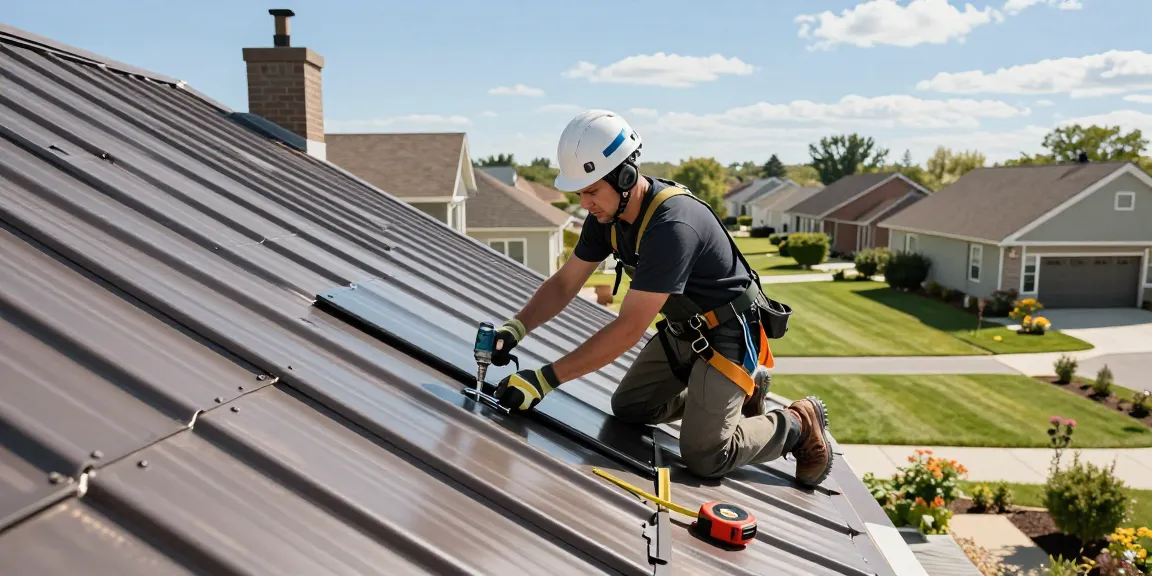
Enlisting the help of a qualified metal roof installer is critical for ensuring a successful and efficient installation process. A professional team will follow a series of steps to guarantee that your new roof is installed correctly, allowing you to reap all the benefits of metal roofing.
Step-by-Step Guide to Professional Installation
Here’s a general overview of the typical installation process:
- Roof Inspection: Assessing the current roof's condition and determining whether repairs are needed.
- Preparation: Removing the old roof and preparing the surface for the new installation.
- Installation of Underlayment: Applying a protective layer that adds an extra line of defense against water damage and leaks.
- Placement of Metal Panels: Installing the metal panels according to the manufacturer’s specifications, ensuring proper alignment and secure fastening.
- Finishing Touches: Adding necessary components such as flashing, trim, and ventilation systems to complete the installation.
Common Challenges During Installation
While installing a metal roof is a relatively efficient process, certain challenges may arise, such as:
- Weather conditions that can delay installation
- Ensuring proper insulation and ventilation
- Addressing any roof repairs that may be necessary before installation can begin
Working with experienced contractors who are familiar with these potential issues can help to mitigate problems and ensure a smooth installation experience.
Post-Installation Care and Maintenance Tips
After installation, maintaining your metal roof is critical for ensuring its longevity. Here are some practical maintenance tips:
- Regularly inspect for any signs of damage or wear.
- Keep gutters and downspouts clear of debris to prevent water buildup.
- Clean the roof periodically to prevent moss or algae growth.
By taking these proactive steps, homeowners can ensure their metal roofs remain in excellent condition for decades to come.
Choosing the Right Metal Roof Installer
Finding a reputable metal roof installer is crucial for achieving high-quality results. Here are some key qualities to look for in a roofing contractor:
Key Qualities to Look for in a Roofing Contractor
When selecting a roofing contractor, consider the following:
- Experience: Look for a company with a proven track record in metal roofing installations.
- Licensing and Insurance: Ensure the contractor has the necessary licenses for your area and carries insurance to protect against potential liabilities.
- Warranty: A reputable contractor should offer warranties on both materials and workmanship.
Questions to Ask Before Hiring
To make an informed decision, consider asking the following questions during your initial consultations:
- What types of metal roofing do you recommend based on my property?
- Can you provide references or examples of past projects?
- What is the estimated timeline for my roofing project?
Reading Reviews and Testimonials for Insights
Customer reviews can provide valuable insights into a contractor’s reliability and quality of work. Look for testimonials on the contractor’s website or third-party review sites to ensure that previous clients have had positive experiences.
Future Trends in Metal Roofing for 2026 and Beyond
As we look to the future, several trends are emerging in the metal roofing industry that homeowners should be aware of. These developments highlight the continuous evolution of roofing technology and consumer preferences.
Innovations in Metal Roof Technology
Advancements in material science are leading to even more durable and sustainable metal roofing solutions. Innovations such as solar-integrated roofing panels and improved coatings are becoming more accessible, enhancing both energy efficiency and aesthetics.
Environmentally Friendly Practices in Roofing
With growing concerns about climate change, the roofing industry is increasingly adopting sustainable practices. This includes the use of recycled materials in metal roofing and eco-friendly manufacturing processes, appealing to environmentally conscious homeowners.
Predicted Market Changes and Consumer Preferences
As consumers become more informed, their preferences are shifting towards roofing solutions that offer longevity, minimal maintenance, and energy efficiency. Metal roofing is well-positioned to meet these demands, making it a wise choice for the future.
What are the Benefits of Metal Roofing?
The advantages of metal roofing are numerous, including durability, energy efficiency, and aesthetic versatility. These factors collectively contribute to higher property values and lower long-term costs, making metal roofs an excellent investment.
How Long Does a Metal Roof Last?
Metal roofs can last between 40 to 70 years on average, depending on the material and maintenance. This longevity often outweighs the initial investment, providing homeowners with exceptional value over time.
What Should I Look for in a Roofing Contractor?
When selecting a roofing contractor, ensure they have the appropriate experience, licensing, and insurance. Ask for referrals and check reviews to gauge their reputation within the community.
Are Metal Roofs Noisy During Rain?
Contrary to popular belief, metal roofs are not excessively noisy during rain. Proper installation with insulation and underlayment significantly minimizes sound, providing a comfortable and quiet indoor environment.
How Do You Maintain a Metal Roof?
Maintenance for metal roofs includes regular inspections, cleaning gutters, and addressing any damage promptly. This proactive approach helps ensure your roof's longevity and performance.